
Nightshade
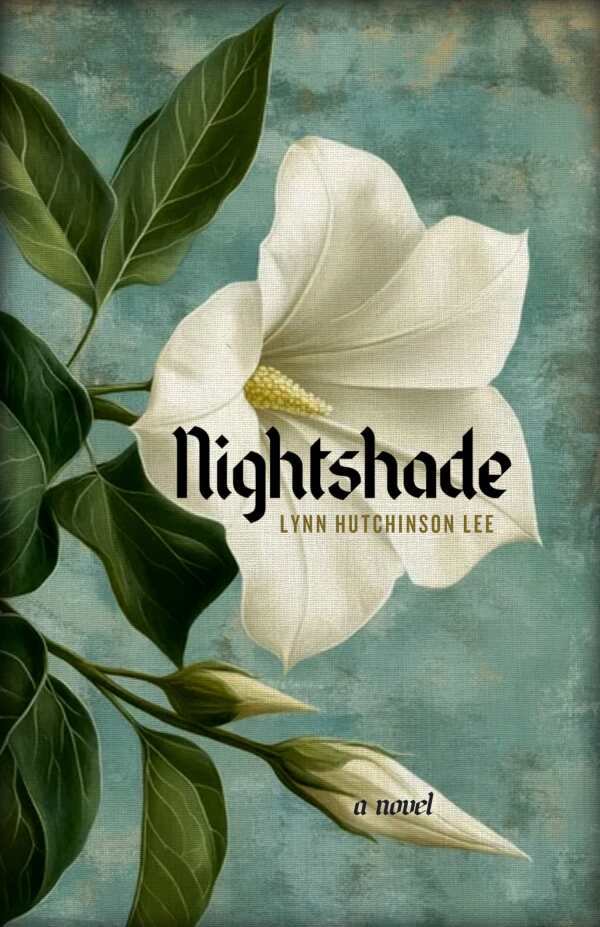
In Lynn Hutchinson Lee’s mesmerizing historical novel Nightshade, a young woman is grounded and conflicted by her Romani background.
In 1980s southern Ontario, Zelda and her family prepare for a season of grueling migrant labor at a tobacco farm. There, Zelda’s green eyes, fair skin, and appealing youthfulness compel wealthy Trixie to hire her as a maid and general companion. After multiple miscarriages, Trixie also hopes that Zelda’s “Gypsy magic” will help her to carry a baby to full-term.
While Zelda spends her days with Trixie, her mother and aunts work the farm. Amid intense summer heat, Zelda explores the vast home; at night, she returns to the cramped, rundown housing offered to the migrant workers. A troubling conflict builds as Zelda, fascinated by Trixie’s capricious charm and extensive wardrobe, begins to resent her family’s curious ways and low socioeconomic status. She also struggles with her attraction to Trixie’s handsome husband Jack, who watches Zelda with an intent “flare behind his eyes.”
The book contrasts Zelda’s disparate worlds with evocative intrigue. Her resourceful mother makes jam from nightshade berries and hopes to buy a small house with the money she stashes into empty coffee cans. Liza May nurtures wounded birds; Zelda’s other aunt, Lilly, has the gift of immediate insight into other people. As the women travel to various jobs, they earn extra income by putting on captivating puppet shows. More than just strings and wood, grandmotherly puppet Puri Dai gives mystical guidance to Zelda, as with premonitory warnings about “the devil-man of the tobacco fields,” saying that Zelda shouldn’t trust her exploitative white employers.
Amid an entrancing undertow of natural beauty and seductive materialism, the novel Nightshade is a story about identity, longing, and a unique cultural heritage.
Reviewed by
Meg Nola
Disclosure: This article is not an endorsement, but a review. The publisher of this book provided free copies of the book to have their book reviewed by a professional reviewer. No fee was paid by the publisher for this review. Foreword Reviews only recommends books that we love. Foreword Magazine, Inc. is disclosing this in accordance with the Federal Trade Commission’s 16 CFR, Part 255.


