
When They Came Home
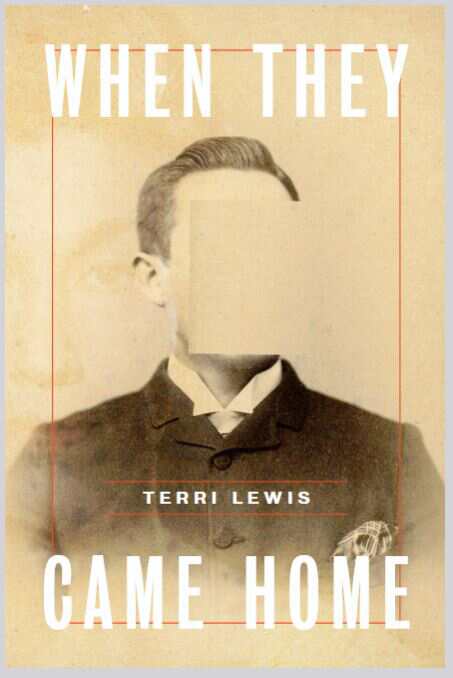
In Terri Lewis’s affecting historical novella When They Came Home, a shell-shocked soldier faces marital strain.
In Kansas in 1919, Edith, a farmer’s daughter, is courted by Milton, a World War I veteran. Soon, they start a family in their hometown. But Milton, having seen combat in Argonne, France, deals with post-traumatic stress disorder. He has a thousand-yard stare, prolonged bouts of silence, and difficulty finishing a day’s work. His distress tests the couple’s home life.
The book’s character studies deepen over the years; the book moves at a thoughtful, deliberate pace. Subtle observations about Edith’s flinty resilience and patient love are juxtaposed with those of Milton’s internal scars, reflected in the lighthearted nicknames he gave to weapons to counter the heaviness he felt. All of this interpersonal turmoil is set against a tranquil backdrop of the farm fields, resulting in a sweeping story about love and loss told through everyday reflections.
The prose is staccato and rhythmic, featuring palpable, situating references that are sparing but concrete, as with mentions of jars of jam, squares of fudge, and the sounds of soldiers’ boots squishing while their socks molder. Scenes are further fleshed out with details, as of the sights of the countryside during a train trip, of endless military drills, and of tedious farm chores like chopping.
The book’s progression is both intimate and epic. Edith and Milton come to seem a microcosm of their generation and of the early-twentieth-century US. Their struggles to get help from indifferent government offices, and with a psychologist who tells Milton to suppress his haunting memories, illustrate the enduring and lonely pains of their experiences.
A powerful historical novella, When They Came Home is about a rural home life marked by the lingering tolls of war.
Reviewed by
Joseph S. Pete
Disclosure: This article is not an endorsement, but a review. The publisher of this book provided free copies of the book to have their book reviewed by a professional reviewer. No fee was paid by the publisher for this review. Foreword Reviews only recommends books that we love. Foreword Magazine, Inc. is disclosing this in accordance with the Federal Trade Commission’s 16 CFR, Part 255.


