

My Dreadful Body
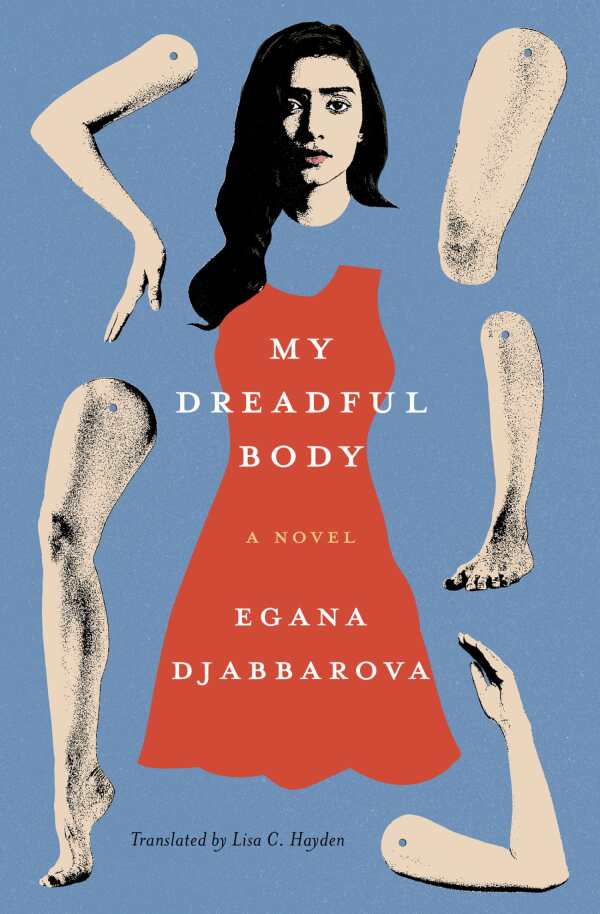
A woman maps cultural expectations and desires onto her ailing body in Egana Djabbarova’s singular novel My Dreadful Body.
Tackling one body part per chapter, this bildungsroman follows Egana, an Azerbaijani daughter, as she learns about her neurological condition. Her body, confined by its symptoms, becomes fertile material for her intimate musings on selfhood, home, and her wider world. Zooming in on funny foibles and wrenching social edicts, such as “a woman is not allowed to forget that she is an object in a sentence and not its main subject,” her ranging thoughts are linked by dry observations. From parents who equate long hair with ancestral beauty to a lustful stranger who prompts a slap, people are sketched through their reactions to bodily features. Noteworthy exceptions include a kind grandfather who inspires fond memories.
Egana’s wish to pluck her full eyebrows winds into glimpses of how only married women may defy God by changing their looks. A meditation about eyes spans colonial blue-eyed preferences, evil eye charms, diaspora weddings, and domestic violence. Elsewhere, shoulders highlight the dangers of outsidership amid skinhead nationalism. These and other chapters balance ideas about women’s laborious roles with personal disclosures that prick in their yearnings to defy tradition.
As the book blooms, Egana ages. Details about her diagnosis land on “generalized dystonia.” Her approach to her treatments is brave, even as her parents express disappointment that she is unlikely to wed. Meanwhile, vibrant domestic images of foods and of a grandmother’s embroidery hint at pleasures and beauties still to be found, despite Egana’s excruciating pain. Russian and Azerbaijani words infuse the translation with further vibrancy, hinting that languages are one of Egana’s joys. Indeed, writing becomes a balm for her.
An incisive novel, My Dreadful Body celebrates women’s agency, mourns physical losses, and rebels about inherited boundaries.
Reviewed by
Karen Rigby
Disclosure: This article is not an endorsement, but a review. The publisher of this book provided free copies of the book to have their book reviewed by a professional reviewer. No fee was paid by the publisher for this review. Foreword Reviews only recommends books that we love. Foreword Magazine, Inc. is disclosing this in accordance with the Federal Trade Commission’s 16 CFR, Part 255.


