

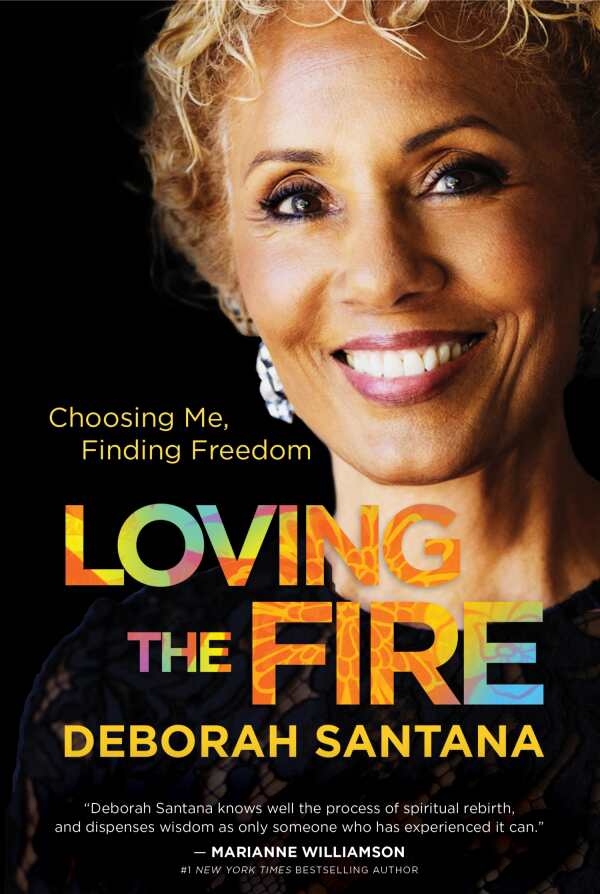
Loving the Fire
Choosing Me, Finding Freedom
Loving the Fire is an eloquent memoir that’s filled with spiritual insights gained from an adulthood spent seeking peace.
Deborah Santana’s heartfelt spiritual memoir Loving the Fire is about renewed faith and solace through community and solitude.
Santana reflects on the upheavals of her adulthood herein. These include her divorce from musician Carlos Santana, switching career paths, writing, and her involvement in various nonprofit and activist-driven organizations. Santana pursued a master’s degree, prioritizing her education and philanthropy after the divorce. Later, she focused her energy on helping girls and young women receive their own educations after visiting a school for girls in Kenya. Through it all, Santana sought spiritual harmony, coming to realize that her desire for solitude was rooted in her strength.
Infusing ancestral history with expressions of personal devotion to helping women and addressing racial and political inequities, this expressive memoir exhibits great emotional vulnerability. Recording the “going home” ceremony after the death of her mother, for instance, it describes grief as “a cloud of heartbreak,” leaving Santana “a vapor in the pew.” Elsewhere, a trip to Kenya is vivified with expressions of connection to women, Africa, and education.
The prose is lyrical and dynamic, often stepping out of fast-moving scenes for instances of reflection. For instance, Santana’s first marriage, and the couple’s decisions about parenthood, are covered in just a few paragraphs—background information upon which the book builds important memories, as of her husband, during a pause from touring, asking his wife, who was busy writing, why she had not made him a proper dinner. Such moments are handled as personal turning points, with ample introspection devoted to them. Later, Santana sought strength from “women who did not succumb to sacrificing their creativity for their partners’.”
Indeed, the ways in which spiritual exploration informed Santana’s adulthood center the book. Highlights include a class in feminist studies that gave her newfound reverence for her body. Daily meditation is also exalted for its help with navigating grief, with Santana remembering how she leaned into this lifelong practice after her parents’ deaths. A meeting with the Dalai Lama is also recorded as a moment of spiritual importance. Moved along by such reflective undercurrents, the book works toward an in-the-moment conclusion that bespeaks personal connections to ongoing social and political movements, reiterating values like courage and love in the face of adversity all the while.
A work of eloquence that’s filled with personal insights, Loving the Fire is an earnest spiritual memoir about searching for wisdom and enlightenment through many life-changing events.
Reviewed by
Jennifer Maveety
Disclosure: This article is not an endorsement, but a review. The publisher of this book provided free copies of the book and paid a small fee to have their book reviewed by a professional reviewer. Foreword Reviews and Clarion Reviews make no guarantee that the publisher will receive a positive review. Foreword Magazine, Inc. is disclosing this in accordance with the Federal Trade Commission’s 16 CFR, Part 255.


