

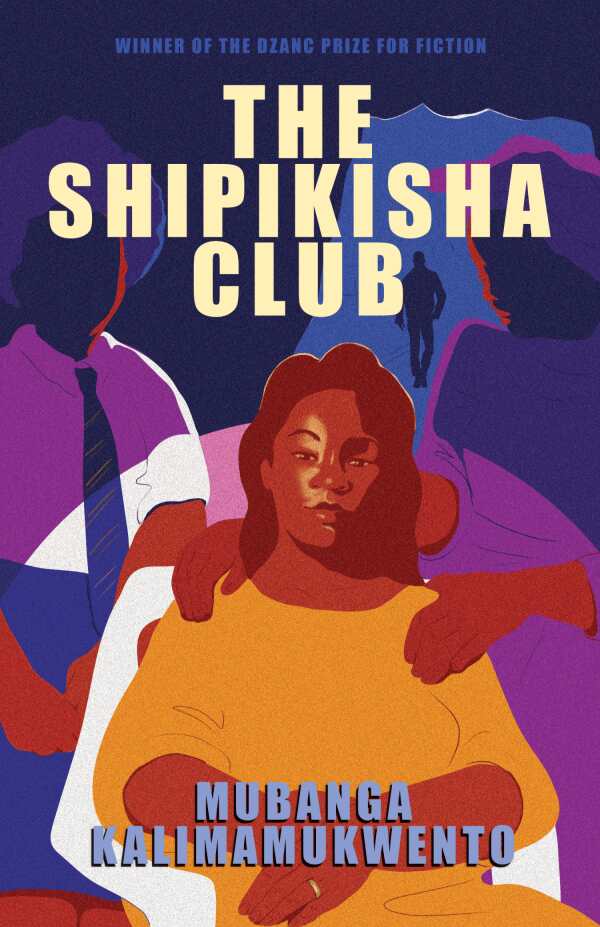

The Shipikisha Club
A Zambian woman is prosecuted for murder in Mubanga Kalimamukwento’s gripping novel The Shipikisha Club.
After shooting her husband in self-defense, Sali faces the public fervor of a trial. Her teenage daughter and two young sons adjust to their mother’s scandalous imprisonment and the loss of their father.
Through alternating flashbacks, the book details Sali’s life as a jailed spectacle and reflects upon her more liberated past. As a young schoolteacher, she had an affair with an eminent, married cardiologist, Doc, whose sudden death left Sali grieving, pregnant, and overwhelmed. Realizing that her adulterous baby would evoke disapproval from others, she married Kasunga, an amiable police officer who agreed to accept Doc’s child as his own.
The book’s treatment of Sali and Kasunga’s relationship is complex: poignant moments of intimacy and happiness are contrasted with later infidelities, resentments, and violence. Sali’s wedding preparations center various ceremonial rites; she receives guidance that her husband’s well-being and raising a family should take precedence over her personal needs. After her marriage, she joins the “Shipikisha Club,” an informal society of wives named after the Zambian verb “to relentlessly endure.” Later, while in prison, beleaguered Sali is raped by an inmate who was arrested by her husband years ago; terrified of contracting HIV, she fears another vengeful assault.
Other characters face compelling shifts as well, with the perspectives of Sali’s mother, Peggy, and Ntashé, Sali’s daughter with Doc, included. Through them, Sali’s trial is depicted with suspenseful intensity; flawed yet appealing, she is both repentant and resistant as she struggles to avoid a fatal sentence from the biased justice system.
A strong-willed woman contends with patriarchal entrenchment following her husband’s death in the riveting, nuanced novel The Shipikisha Club.
Reviewed by
Meg Nola
Disclosure: This article is not an endorsement, but a review. The publisher of this book provided free copies of the book to have their book reviewed by a professional reviewer. No fee was paid by the publisher for this review. Foreword Reviews only recommends books that we love. Foreword Magazine, Inc. is disclosing this in accordance with the Federal Trade Commission’s 16 CFR, Part 255.


