
Book of the Day Roundup: March 30-April 3, 2026
Beatrice the Sixteenth
Radium Age Series
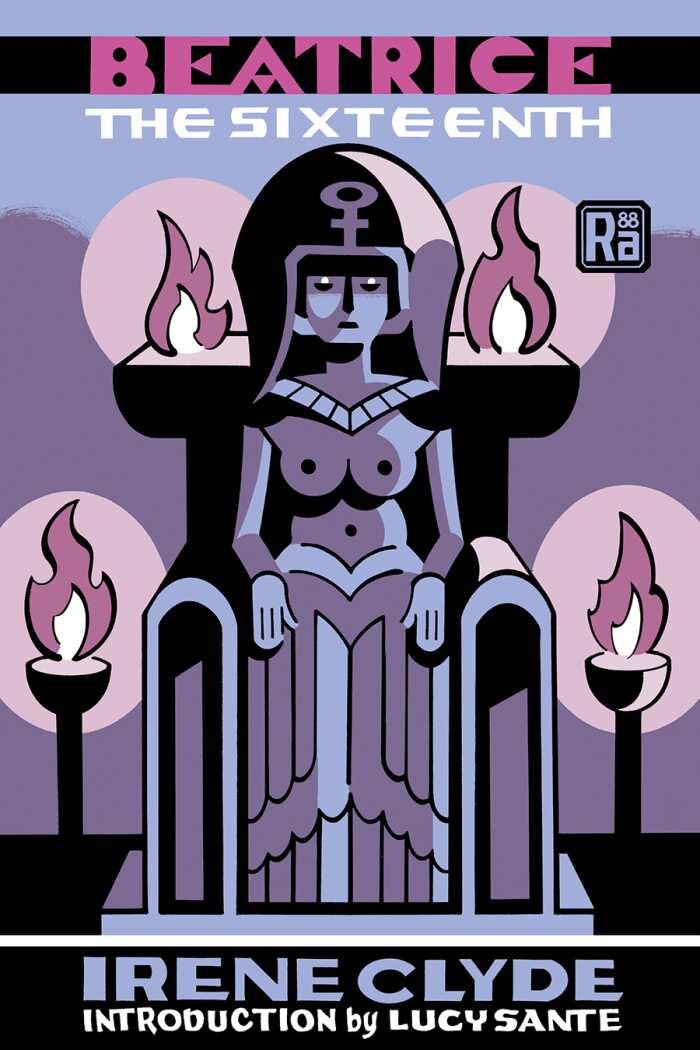
Irene Clyde
Lucy Sante, contributor
The MIT Press
Softcover $19.95 (344pp)
978-0-262-05162-0
Buy: Local Bookstore (Bookshop)
In Irene Clyde’s classic science fiction novel Beatrice the Sixteenth, an explorer experiences a head injury and wakes in a different world.
After a camel kick to the head, Mary is picked up by traveling merchants. Though she’s skilled in linguistics and in familiar-looking desert surroundings, it takes her several days to develop a rudimentary understanding of their language. They bring her to Alzôna, the capital city of Armeria, for medical assistance. There, Mary is taken in by Ilex. While Mary learns the country, which appears on no map she knows, the Armerians observe her for signs of espionage, as Armeria is on the brink of war.
Mary, being an academic, records information about the architecture, commerce, and government structure of Armeria in great detail. She presents her findings within a catalog of the locations she visits, including the palace and city center, though her commitment to providing full descriptions slows the book’s pace. Still, her sociopolitical understanding of Armeria grows as the book continues. She also develops a chaste romance with Ilex. However, where conversations are present to investigate the stark differences between European and Armerian culture, there is no space to explore Mary’s interiority.
The introduction by Lucy Sante places the book in context of its Edwardian author, who would now be considered a transwoman, and her advocacy for the “abolition of gender binaries” and “celebration of female-female intimacy.” The book explores a society that upholds women-dominated communities as utopian, eschewing binaries, and having no men.
Featuring poetic language and a large cast of classically named characters, the revived science fiction novel Beatrice the Sixteenth features a utopian society and a parallel universe.
DONTANá MCPHERSON-JOSEPH (February 27, 2026)
Event Horizon
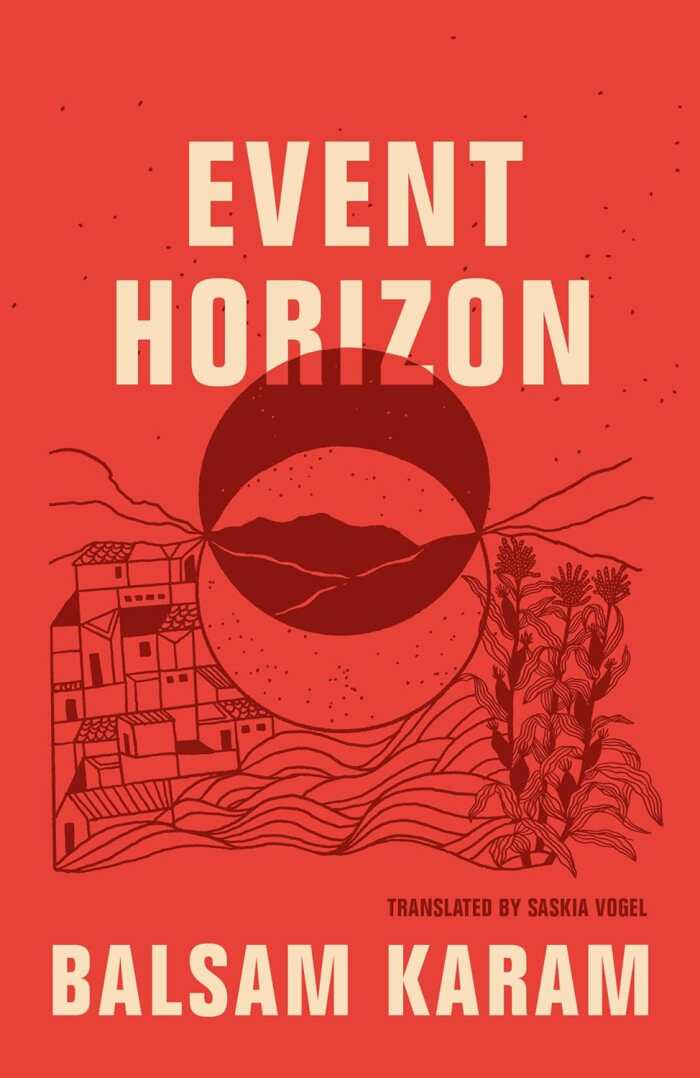
Balsam Karam
Saskia Vogel, translator
The Feminist Press at CUNY
Softcover $16.95 (250pp)
978-1-55861-354-6
Buy: Local Bookstore (Bookshop)
A marginalized woman is sent into a black hole for the good of her community in Balsam Karam’s extraordinary speculative novel Event Horizon.
Milde was eight years old when her tropical nation declared innumerable women and children noncitizens, rounding them up and deporting them to a borderless zone between the mountains and the sea. The enterprising women, given few directions and little hope of recompense, formed a harried community there, the Outskirts, complete with a school and shared resources.
At seventeen, their childhoods having been consumed by injustice, Milde and two peers led an uprising, burning down three government buildings in protest. Milde spent the next eleven years in jail, subjected to various kinds of torture. At twenty-eight, she was given a choice: die here, or be sent into a black hole as a pioneer. After she bargained for community improvements for those in the Outskirts, she was launched into space.
Despite the interstellar circumstances of Milde’s end, which are described in horrific detail to her before she leaves, the novel’s focus is most on how nations and their people treat the underprivileged and refugees, not its science fiction elements. Milde is raised with strong moral sensibilities by her mother, Essa, and by the other women in the Outskirts, who are diligent about caring for and protecting one another.
In contrast, those in power, and those who benefit from the women’s exclusion, are inventive with their cruelties: hotel owners sprinkle glass in their dumpsters to prevent the Outskirts children from scavenging for scraps; officials kidnap the cats they keep to make their living spaces rodent-free. Once she’s imprisoned, Milde endures sanity-testing indignities and assaults, losing digits and an eye. Still, her soul remains incorruptible.
Marked by bleak, insistent lyricism, the prose, whose details turn upon themselves in a way that mimics the spaghettification Milde faces at her journey’s end, is striking and challenging throughout. Stark landscapes are rendered beautiful, including the Outskirts:
shapeless and soft moves the sky that protects a place beset with mist, and smooth and heavy rests the Outskirts in dazzling fragments that hold everything in place.
Elsewhere, the viciousness of state actors is laid bare, the ethics behind their actions given no shelter by Essa’s metrics—to ask of every moral choice “for whom?,” and to “let the answer guide you home.”
After a lifetime of state-sanctioned cruelty, a courageous young activist takes her community care to the stars in Event Horizon, an exceptional speculative novel.
MICHELLE ANNE SCHINGLER (February 27, 2026)
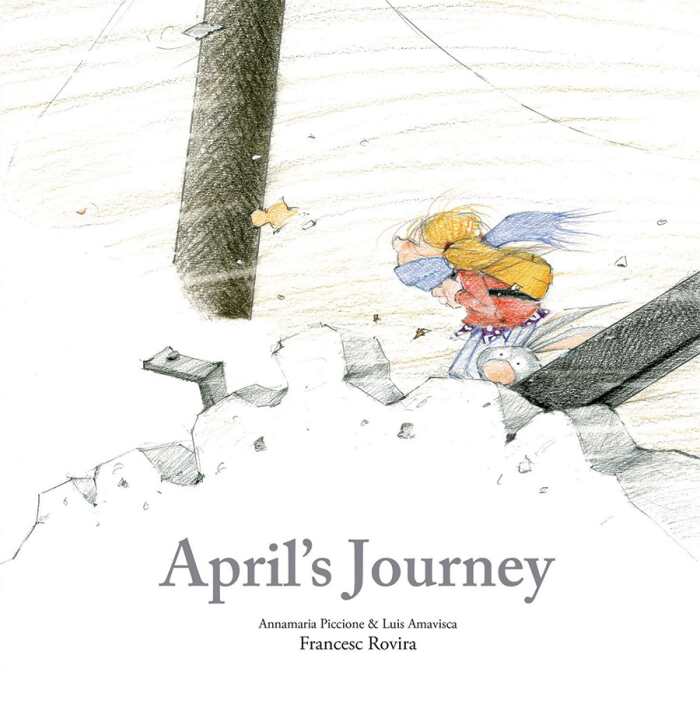
April’s Journey
Annamaria Piccione
Luis Amavisca
Francesc Rovira, illustrator
NubeOcho
Hardcover $17.99 (40pp)
978-841040680-3
Buy: Local Bookstore (Bookshop)
A heartrending tale that approaches the topic of child refugees with a deft, subtle hand, this picture book dreams of a better world. “After the bombs, there was nothing,” begins the story, following April as she gathers a backpack of memories and her stuffed rabbit before making the difficult journey to safety. Along the way, she finds Julio, a boy with his own backpack and stuffed bear; together, they find a new, safe place to call home.
DANIELLE BALLANTYNE (February 18, 2026)
What Am I, a Deer?
Polly Barton
Fitzcarraldo Editions
Softcover $19.95 (336pp)
978-1-80427-217-6
Buy: Local Bookstore (Bookshop)
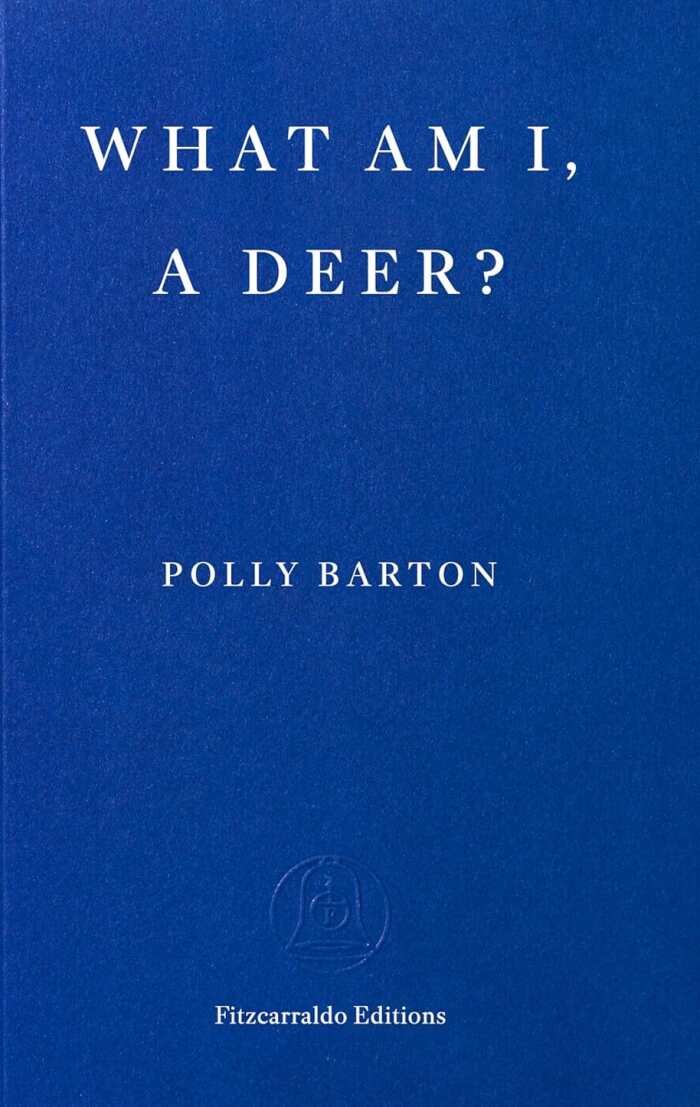
Polly Barton’s insightful stream-of-consciousness novel What Am I, a Deer? is about a translator’s search for meaningful connection.
An unnamed Japanese translator works at a computer game corporation in Frankfurt. Eccentric in her adolescence and considered different by her peers, she is pleased to have achieved an outward semblance of adulthood. She also delights in carefree karaoke nights and experiences self-doubt, though.
In musing, often paragraph-long sentences, the woman’s past is shared: She studied philosophy and lived in London and Japan, all while yearning to reinvent herself. She understands others in singular terms; her boyfriend is known only as a “stylish man.” She has little interest in gaming, and her observations of her colleagues are humorous. References to lyrics and karaoke flesh out her perspective, as when she compares her new life in Germany to “the song that you had chosen that turns out to be in a key that you can’t wrap your voice round.”
But then a man on a commuter tram hands her an umbrella that she almost forgot, and she develops a crush on him from afar. It persists for a year, during which she orchestrates irrational reasons to follow him.
Its prose tidal and prone to extending the briefest encounters into meditations full of associative logic, the novel is a brilliant, sustained monologue. Indeed, by laying bare a primal, feminine solitude—crafted by the narrator’s selective interiority, buoyed by obsession, and further exacerbated by her work-abroad circumstances—the woman becomes an integral conduit for wider fissures between hoped-for escapist fantasies and a lonelier reality in which communication is fraught but worth braving.
A woman’s candid thoughts percolate in the striking, artful novel What Am I, a Deer?, about trying to fit in, love, and become self-aware.
KAREN RIGBY (February 27, 2026)
Purgatoire
Liz Prato
Forest Avenue Press
Softcover $18.00 (252pp)
978-1-942436-69-0
Buy: Local Bookstore (Bookshop)
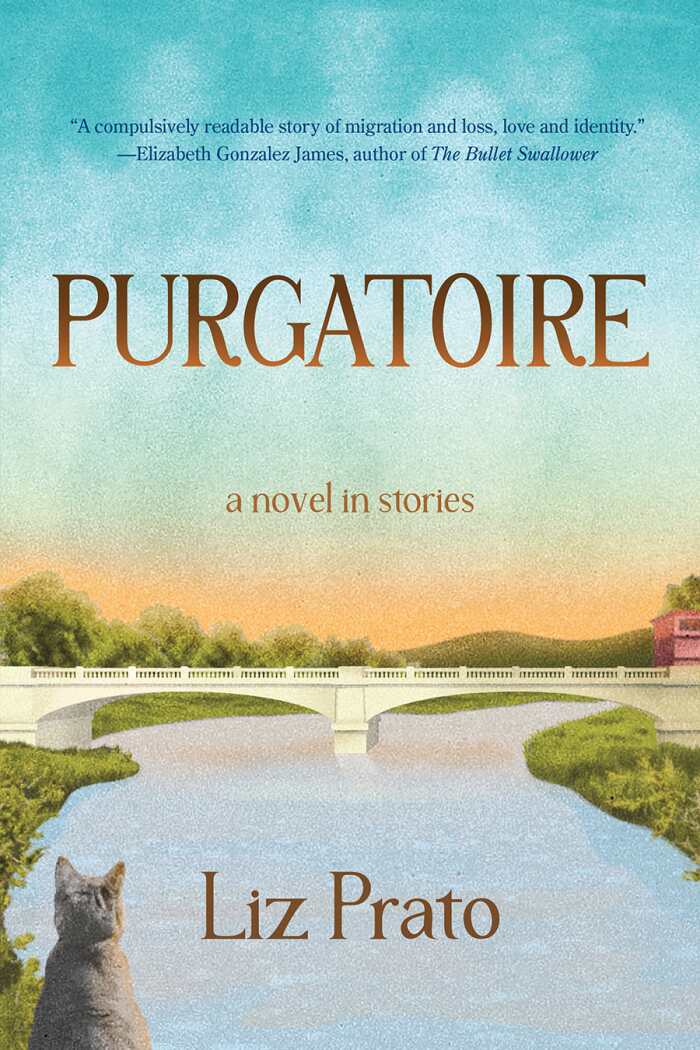
Family secrets have an outsized spiritual influence in Liz Prato’s virtuoso historical novel Purgatoire.
Near the Purgatoire River in Colorado at the turn of the century, mining industries start up, attracting European immigrants. Sabé, a young Italian mother, leaves her home in accordance with a long-held plan to reunite with her husband, Tobia, who works in the Colorado coal mines. But when she arrives, Tobia is gone. The townspeople speculate about whether he left because of another woman, gambling, or alcohol, but the truth about Tobia’s disappearance is far more complicated.
Sabé works hard at pushing memories of Tobia away. She also seeks to make an honest living in her new country. But there is no leaving the past behind, especially once she brings her two young sons to the US. She wonders if she should have known better than to settle near a river named after purgatory.
Representing the early twentieth century’s swirl of migration, wars, and epidemics, the characters’ lives are constructed in terms of circumstance and their observations of others, leading to vast generalizations about their times and places. Combined with elegant metaphors, these revelations become vivid historical truths, as in the multilingual society of the ship on which Sabé and her fellow emigrants use “language like a fire line, passing buckets of understanding.”
Time moves sideways, and the novel achieves profound, multigenerational inclusiveness. Narrative strategies, including letters, personal accounts, interviews conducted by Works Project Administration employees, and an occasional chorus from Las Animas, the souls clinging to the Purgatoire River, are included. Each element is executed with confidence, contributing to the novel’s holistic approach to family storytelling.
An empathetic, historically attuned novel, Purgatoire is about an immigrant family marked by the gifts and scars of inheritance.
MICHELE SHARPE (February 27, 2026)
Kathy Young


